Imagina correr un maratón de 42 kilómetros a un ritmo perfecto. Lideras la carrera, tu técnica es impecable, pero tropiezas en los últimos 100 metros y no cruzas la meta. Todo ese esfuerzo previo no ha servido de nada.
En ventas B2B, esto ocurre a diario. Tienes un pipeline lleno, has hecho una prospección excelente y demos brillantes, pero los tratos se estancan o se caen en la fase crítica: la negociación.
La negociación no es solo un trámite administrativo; es el momento de la verdad donde se define la percepción final de valor y, lo más importante, la rentabilidad de tu empresa. Cerrar es importante, pero cerrar bien (con margen) es vital.
Aquí tienes las técnicas que separan a los despachadores de pedidos de los verdaderos negociadores.
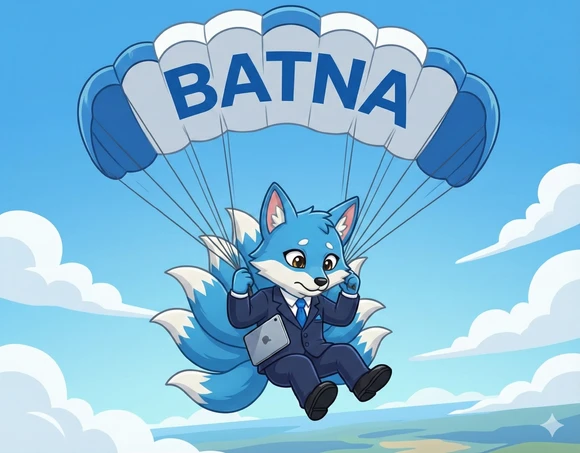
1. Always have your parachute: master the BATNA
In Harvard's negotiation theory, they talk about the BATNA (Best Alternative to a Negotiated Agreement), but in practice, we call it "your parachute".
Before entering any meeting, you must know what your best alternative is if you don't reach an agreement.
- Do you have other clients waiting?
- Can you afford to lose this deal?
Why it works: The negotiator with the most power is always the one who is willing to walk away from the table. If the client perceives that you desperately need that closure, they will smell the fear and push the price down. Knowing your BATNA gives you the confidence to negotiate as equals.
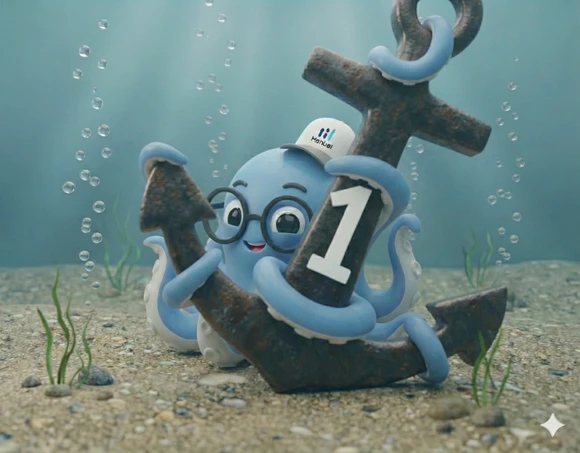
2. The Art of Anchoring: Whoever Speaks First, Sets the Ground
There is a myth that "you should never give the price first." False. In many cases, being the first to put a figure on the table gives you a psychological advantage called anchoring.
If you set an initial high (but justifiable) price, that figure becomes the anchor, the customer's mental reference. Any subsequent discount or adjustment will seem like a victory for them, even if the final price is still very profitable for you.
Example: If you anchor the conversation at €50,000, closing at €42,000 feels like a bargain for the customer. If you had let them "anchor" first at €30,000, moving up to €42,000 would have been an uphill battle.

3. Active listening: decode what they don't tell you
Most sellers listen to respond, not to understand. Active listening in negotiation is not just nodding; it's being a detective.
Often, a price objection ("it's too expensive") hides a different fear ("I'm afraid the implementation will fail and my boss will fire me"). If you manage to detect the hidden need behind the objection, you can negotiate on guarantees or support instead of sacrificing your price
4. Value-based negotiation, not cost-based
If the discussion focuses on "how much does your software cost," you're going to lose. You need to shift the focus to "how much does it cost the client NOT to have your solution."
Don't sell a tool for 10,000€. Sell the solution to a problem that is costing them 100,000€ a year. When the client understands the impact on their own KPIs, the price becomes a logical investment, not an expense to cut.
The Mistakes That Kill Profitability
Even with good techniques, avoid falling into these classic traps:
- Lowering the price without compensation: Golden rule: never give something for nothing. If you lower the price, ask for something in return: an upfront payment, a 2-year contract, or a public success story. If you only lower the price, you devalue your product.
- Negotiating with someone who doesn't sign: Don't waste your best cards on someone who doesn't have the authority to say "yes". Make sure the decision maker is in the room or aware.
- The "nebulous" close: Closing a price without clearly defining the next steps (signing date, implementation start) leaves the door open for the client to have second thoughts.
Conclusion: Science, Art, and Training
Negotiation is not a mystical talent you are born with. It is a mix of psychology (art) and structured process (science). Mastering these techniques will not only increase your closing rate but will also make your sales team enjoy the process instead of fearing it.
Does your team know how to defend its value or only how to give discounts?