Most companies have a CRM, but almost none use it well. The data is revealing: although 91% of companies with more than 10 employees already use a CRM, an overwhelming majority fail to turn it into a real competitive advantage.
In fact, according to a well-known Gartner study, between 50% and 70% of CRM implementation projects end in failure. The difference between success and stagnation does not lie in the software you choose, but in the strategy with which you implement it and integrate it into the DNA of your sales team.
The Foundation of Success
A successful CRM implementation requires more than just setting up software. It is a strategic process that must align with the company's business goals. Key elements include:
- Clear definition of sales KPIs
- Detailed mapping of the business process
- Comprehensive team training
- Integration with existing tools
Lead Scoring: Intelligent Opportunity Prioritization
Imagine your CRM as a hospital triage system for leads.
This is the scene: patients keep arriving at your emergency room. One has a simple cold, another a fracture, and a third a heart attack.
Would you attend to the one with the cold first, just because they arrived earlier?
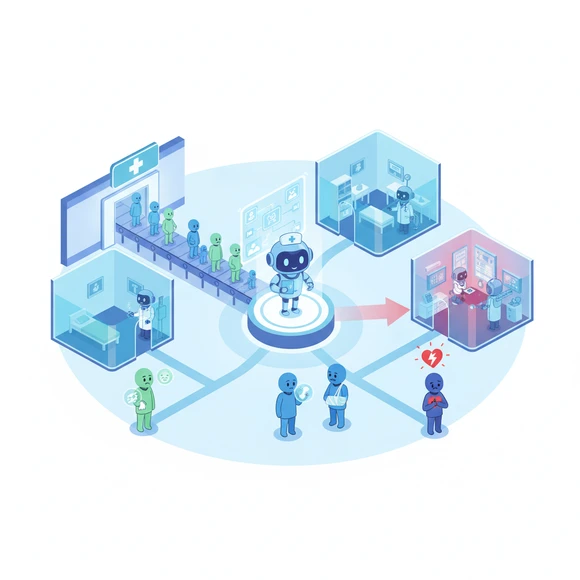
The answer is: Never! It would be a disaster
However, that's exactly what most sales teams do. They treat all leads equally, investing the same time and energy in the curious person who downloaded a PDF as in the CEO who just visited your pricing page for the third time.
This is where Lead Scoring transforms your CRM into an elite triage system. It works like an expert nurse who instantly classifies each "patient" (lead) based on their symptoms (which pages they visit, which emails they open, their position, the size of their company).
This intelligent prioritization system allows:
- Instantly identifying critical cases so your team can act on the prospects with the highest buying potential.
- Optimizing your "surgeons'" resources, focusing your sales team on the opportunities that truly need their attention.
- Reducing "waiting time" and drastically shortening sales cycles.
- Increasing the "patients saved" rate, boosting your conversion rates.
Sales Intelligence: Data that Drives Decisions
True sales intelligence emerges when the CRM becomes the center of strategic information:
-
Predictive behavior analysis
-
Identifiable buying patterns
-
Opportunity and risk signals
-
Data-driven personalization
Stop Navigating Blindly: Reporting as the GPS of Your Commercial Strategy
Managing a sales team without clear reporting is like trying to cross the ocean with only a broken compass. You might have an idea of where you're headed, but you don't know your actual speed, if you're veering off course, or if a storm is approaching on the horizon.
Effective sales reporting is your advanced navigation system. It transforms a sea of confusing data into a clear map that allows you to:
- Monitor your vital indicators in real-time, like a GPS showing you speed and estimated time of arrival.
- Visualize clear trends, enabling you to see if you're gaining or losing momentum long before it's too late.
- Identify new routes and opportunities that were hidden in the raw data.
- Adjust course with agility, making decisions based on precise information, not intuition.
Sales technology, when implemented strategically, becomes the engine that drives business growth. It's not just about having a CRM, but leveraging it as a tool for commercial transformation.